Opens in a new tab

Your Specialists In

Rugged Keyboards

Built for the field. Not the office

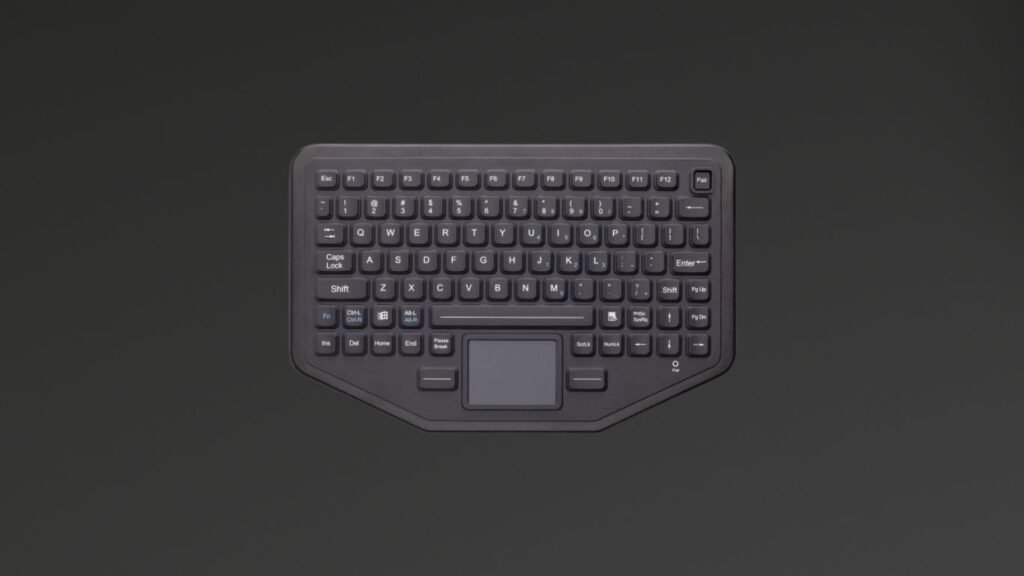
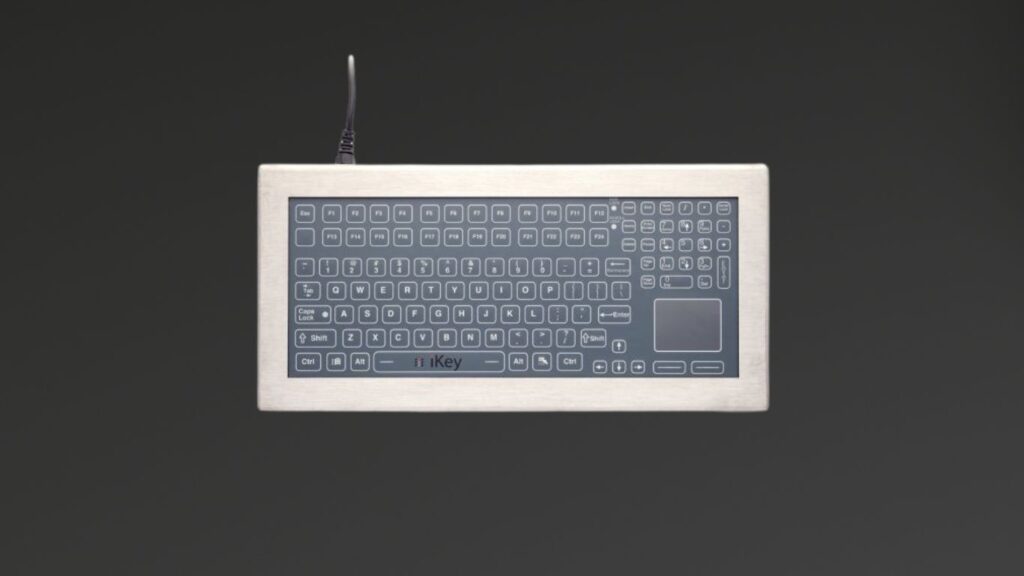
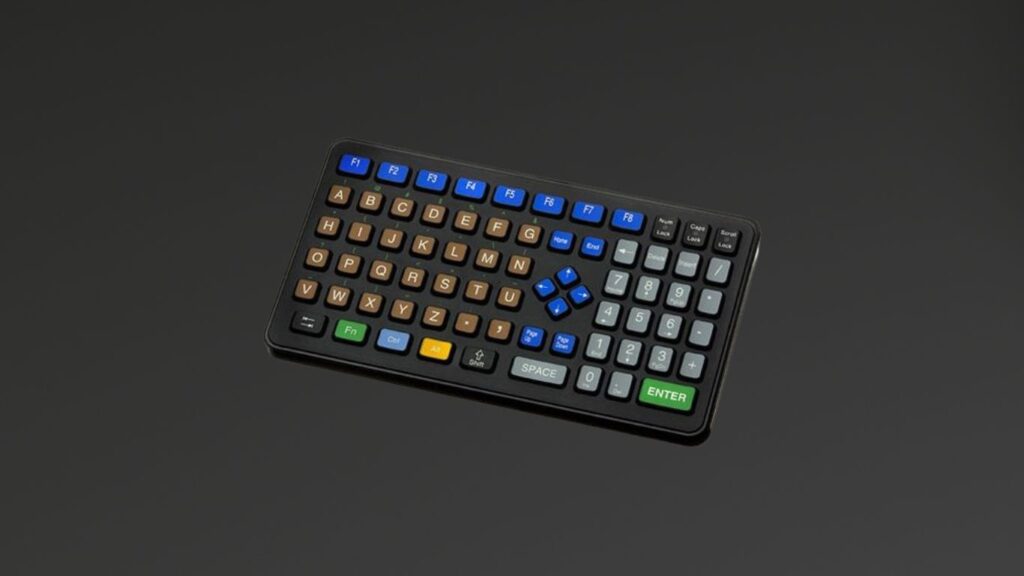
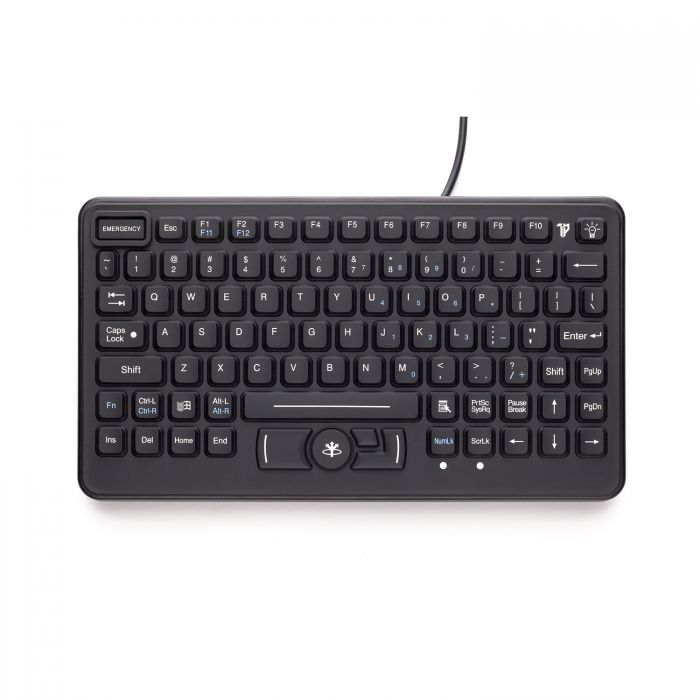
Close-up of a rugged industrial keyboardRugged industrial keyboardRugged industrial keyboardRugged industrial keyboard
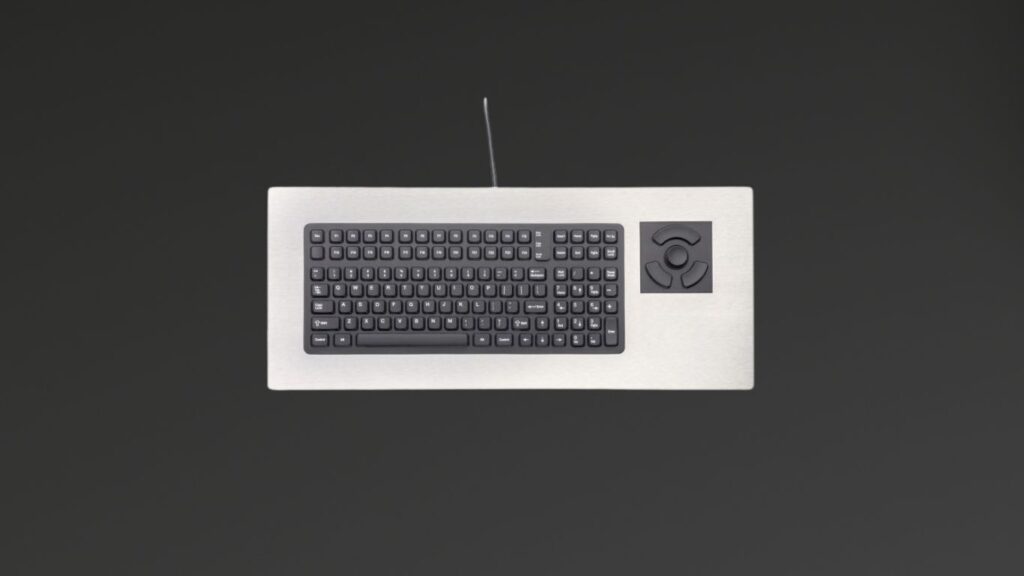
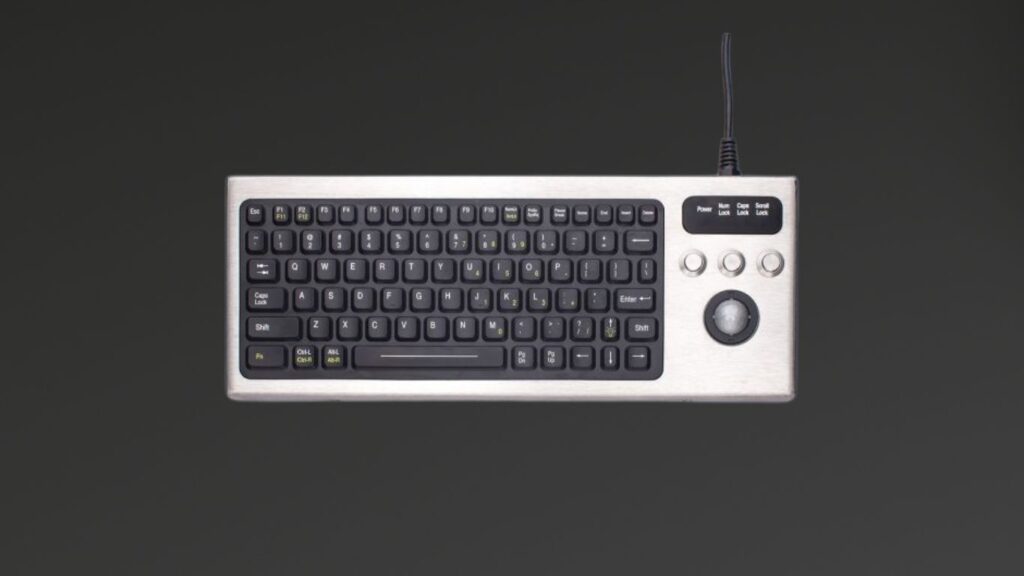
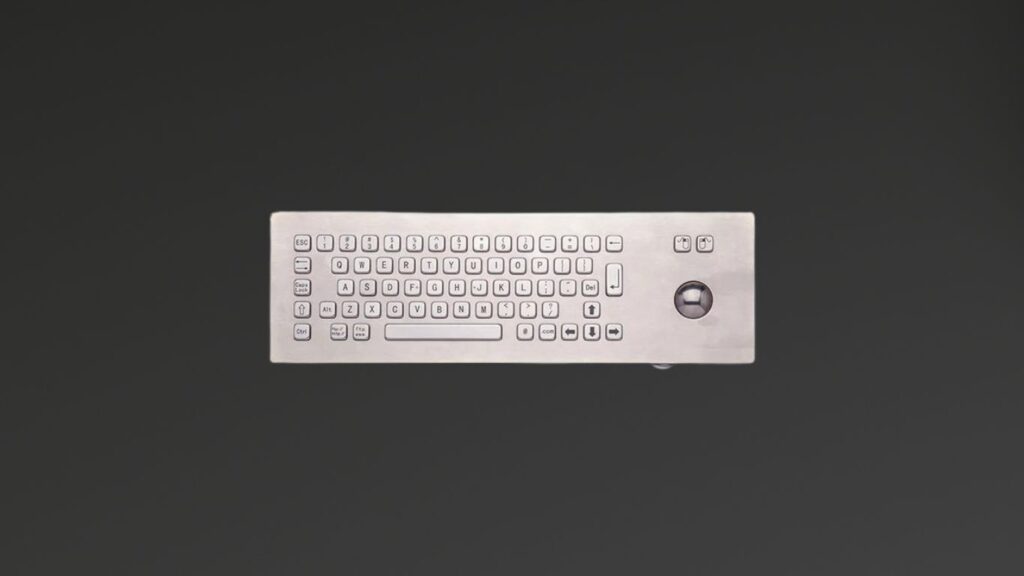
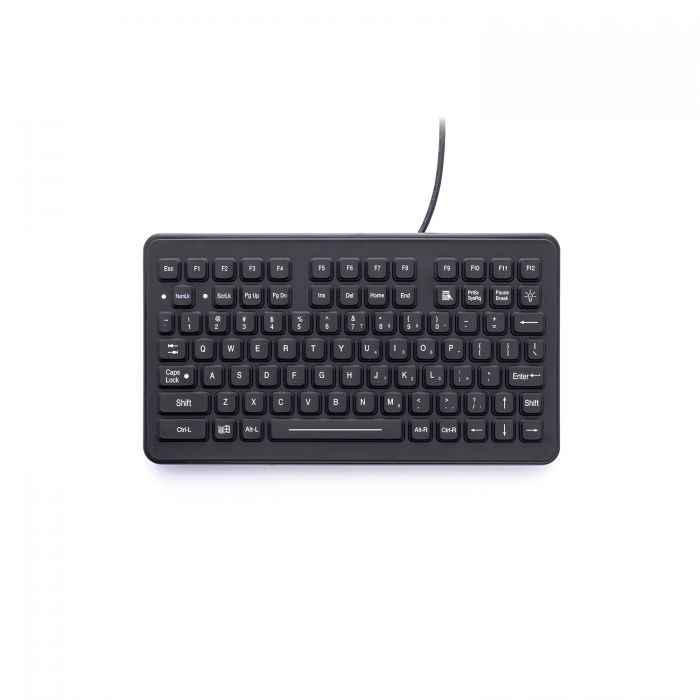
Rugged industrial keyboardRugged industrial keyboardRugged industrial keyboardRugged industrial keyboard
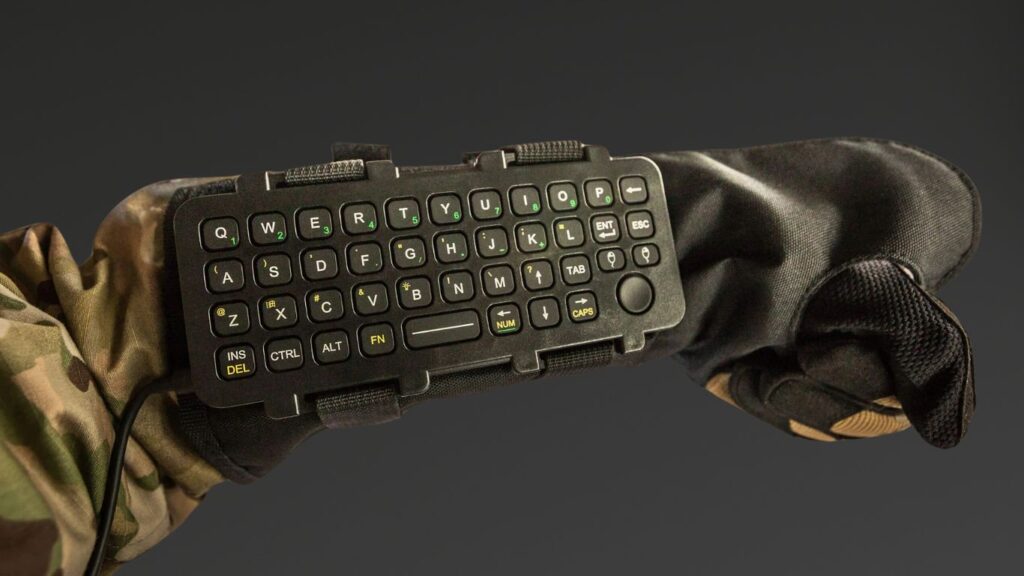
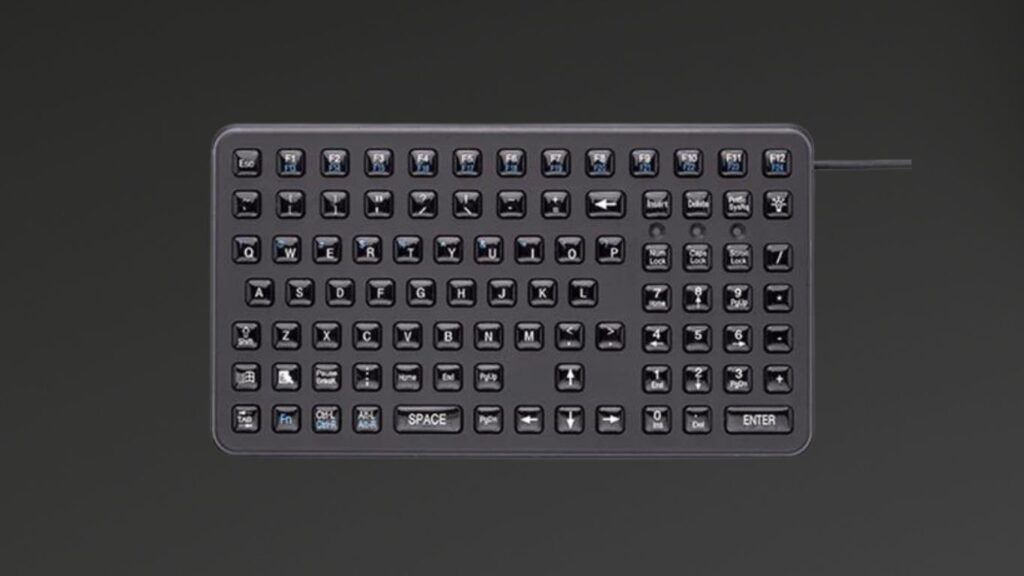
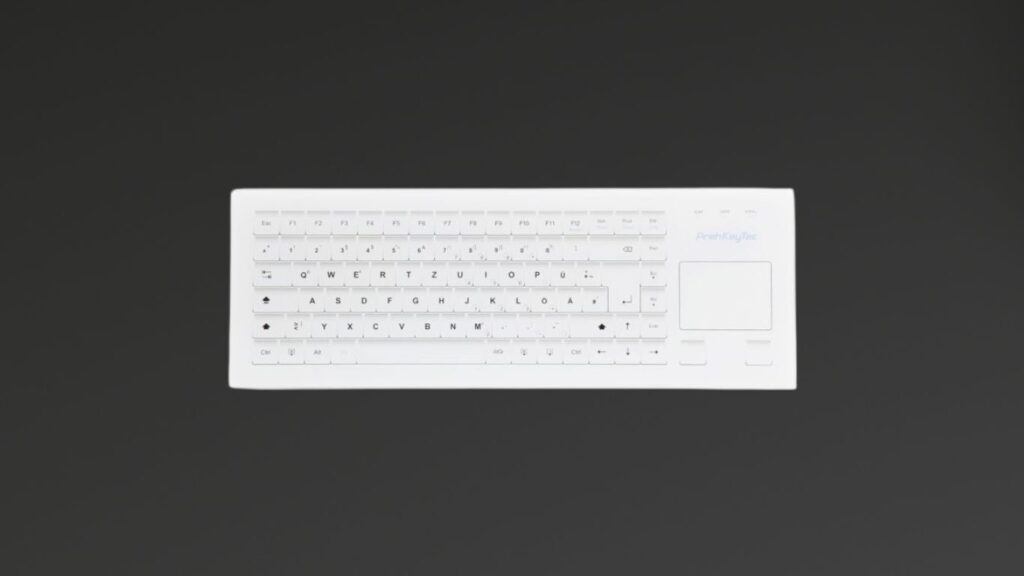
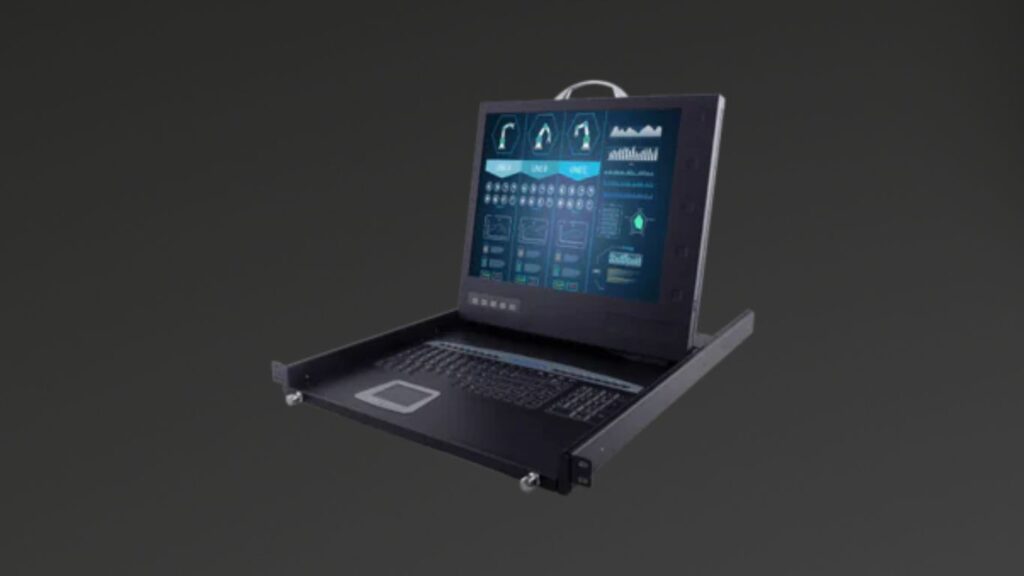
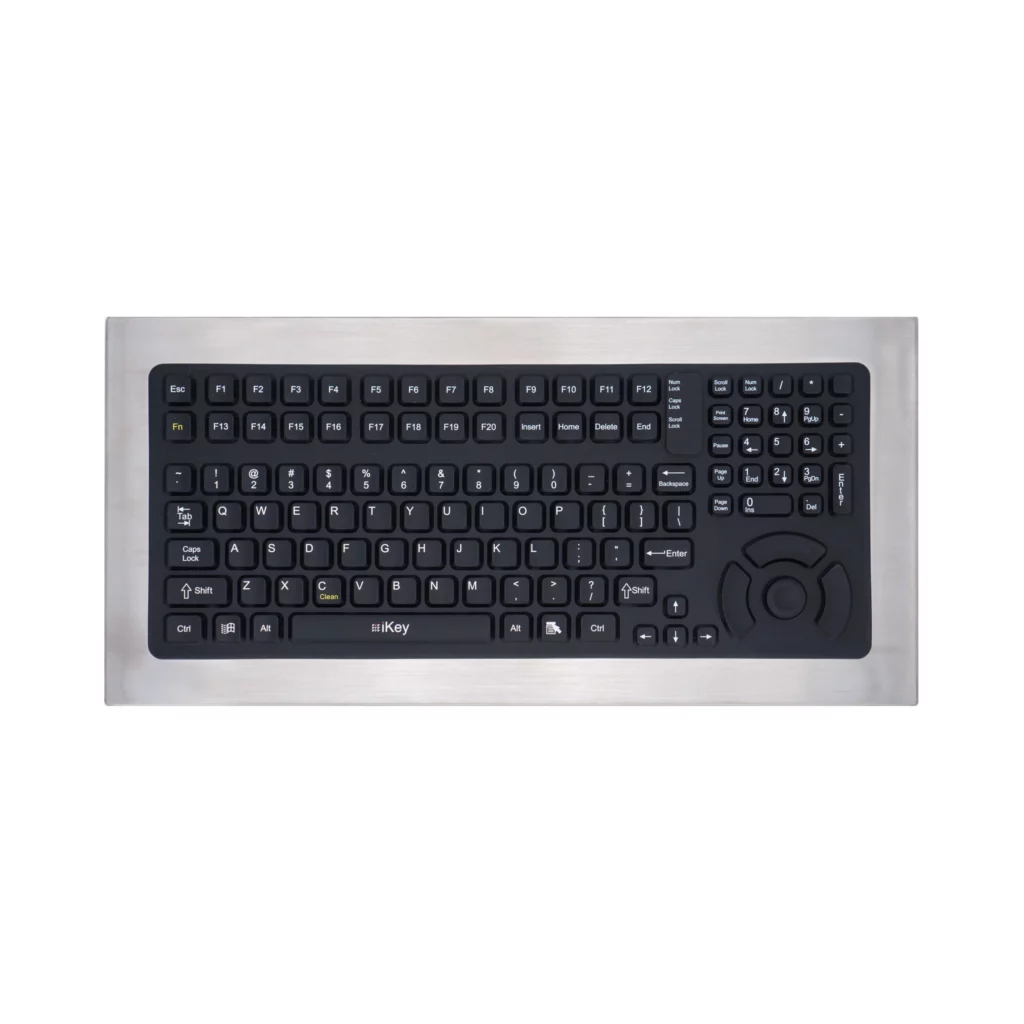
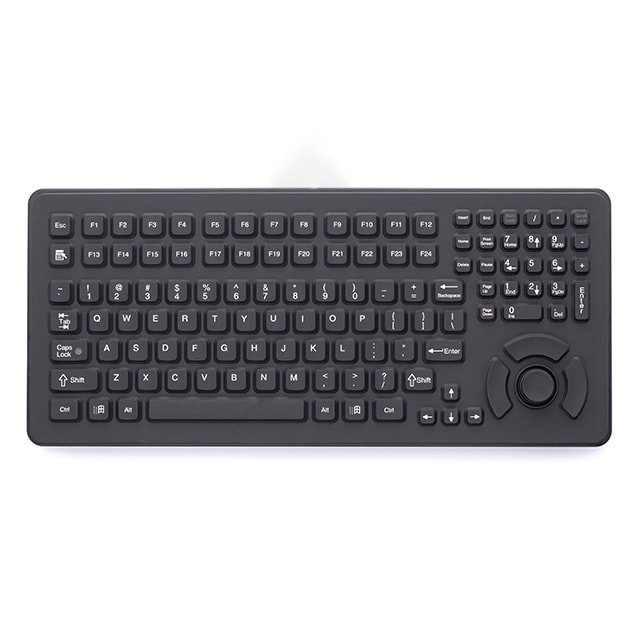
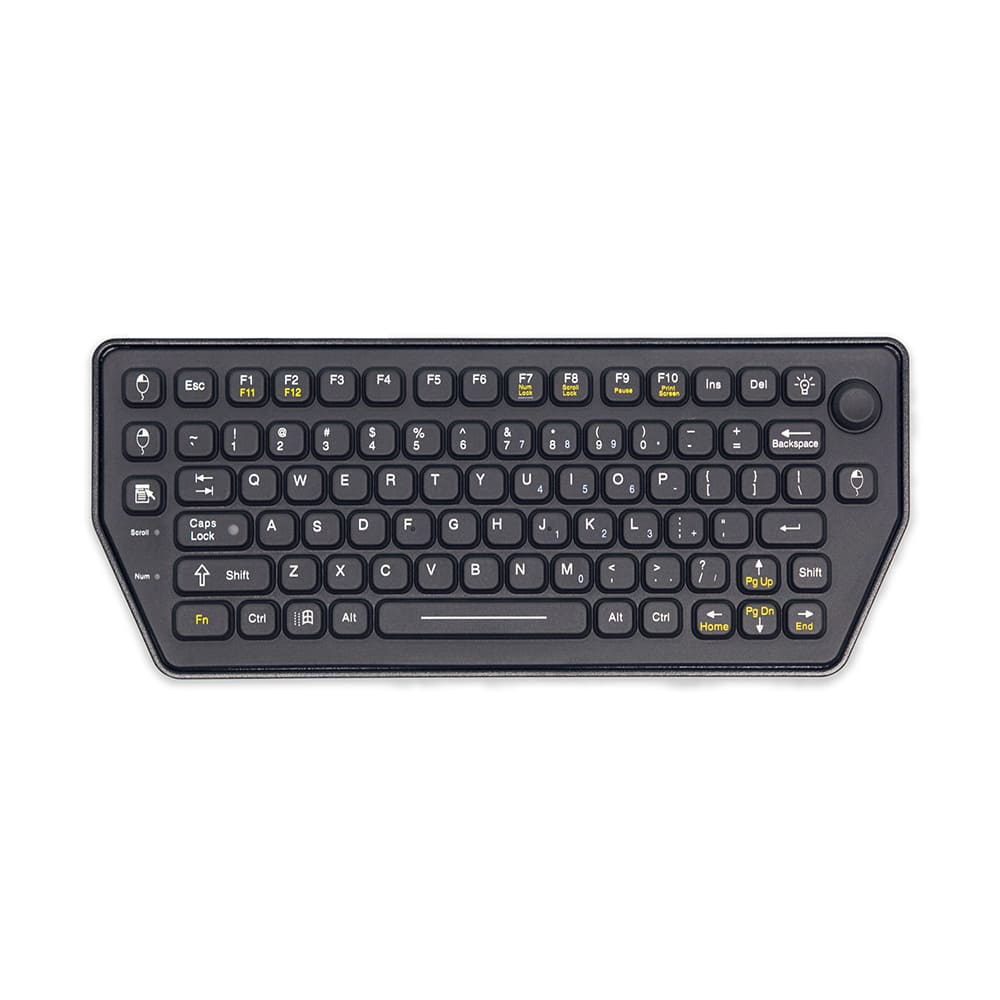
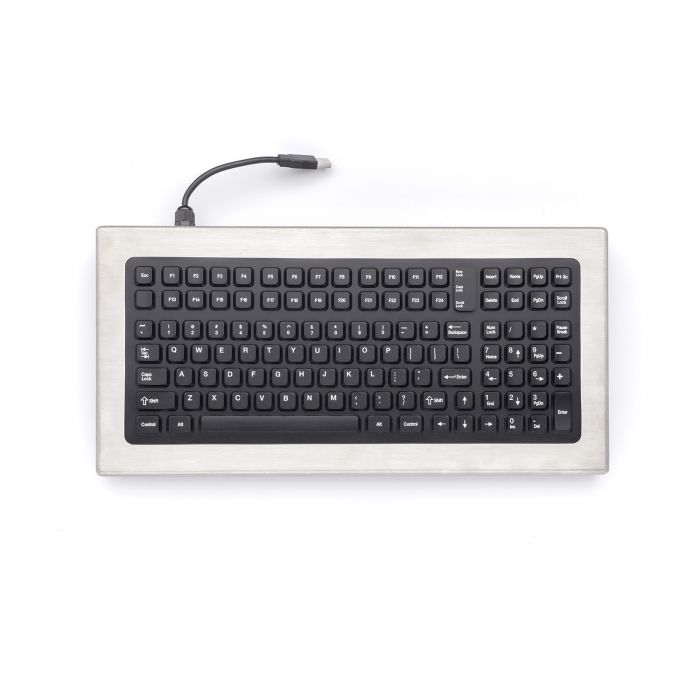
Rugged industrial keyboardRugged industrial keyboardRugged industrial keyboardRugged medical keyboard

Trusted by Organisations Across Industry

Rugged Keyboards for Demanding Applications

A keyboard used on site, in a vehicle, on a production line or inside a control room has to deal with far more than office use. Dust, water, impact, vibration, grease, cleaning chemicals and constant operation can quickly destroy a standard keyboard. The rugged keyboards in this category are built for these environments, giving operators a reliable way to enter data, control equipment and keep work moving when conditions are harsh. From industrial workstations to defence, transport, manufacturing and outdoor applications, the right rugged keyboard helps reduce downtime, protect productivity and support teams working where failure is not an option. The keyboards featured here are a selection; we supply many more formats, layouts and options, so tell us what you need and we will match a keyboard to the job.

Industries That Rely on Our Rugged Keyboards

Where rugged keyboards are used: defence platforms, ships and offshore plant, clinical areas, energy sites, factories and rail. Each block lists typical tasks and what to check for that sector.

Defence & Military

Defence programmes specify shock, vibration and EMI performance, and expect the revision of each standard to be exact. Look for sealed, backlit keyboards, with NVIS-compatible backlighting where night-vision use is needed. MIL-STD-810 and MIL-STD-461 results are manufacturer statements, so tell us the revision and evidence your specification needs and we will confirm it before you order.

Defence & Military

Marine & Offshore

Salt spray, humidity and regular washdown punish standard hardware at sea. Stainless steel is a common choice for corrosion resistance, and IP66 is often specified for bridge, engine-room and offshore platform keyboards. IP66 covers powerful water jets at the keyboard, not immersion. If your vessel or project needs marine type approval, ask us.

Marine & Offshore

Healthcare & Medical

Clinical areas need input devices that tolerate repeated disinfection and keep fluids out. Look for a sealed keyboard with a smooth, wipeable surface for carts, theatres and diagnostic equipment, and check your cleaning agents against the material. Antimicrobial coatings, where offered, are a manufacturer statement, so ask us for the evidence your infection-control team needs.

Healthcare & Medical

Oil, Gas & ATEX

Oil and gas sites combine dust, hydrocarbons, extreme temperatures and, in some zones, explosive atmospheres. Sealed, chemically resistant keyboards suit control rooms and field terminals. A high IP rating alone does not make a keyboard suitable for a hazardous (zoned) area; that needs the relevant ATEX or IECEx certification for the zone. Tell us the zone and we will look at certified options.

Oil, Gas & ATEX

Manufacturing & Industrial Automation

Factory floors expose input devices to dust, coolant, oil, vibration and round-the-clock use. Sealed keyboards with long-life keys, in desktop, panel mount or OEM formats, fit machine HMI, production lines and quality stations. Check the mounting or cut-out, the interface your controller expects and the temperature at the station.

Manufacturing & Industrial Automation

Transport & Rail

Rail and transport equipment sees continuous vibration, temperature swings and public handling. Look for sealed keyboards with manufacturer-stated shock and vibration testing to a standard such as MIL-STD-810, and for long service life. For vehicles and trains, tell us the approvals your project needs before choosing a keyboard.

Transport & Rail

How to Choose the Right Rugged Keyboard

Start with the environment. Decide how much dust, water and chemical exposure the keyboard will face, then match the ingress rating. IP65 covers low-pressure water jets and IP66 powerful water jets; neither covers immersion or high-pressure, high-temperature washdown, and the rating applies only once the keyboard is installed correctly. Next consider the material: sealed silicone over a membrane is light and cost-effective, whereas stainless steel resists corrosion and heavy cleaning. If the keyboard will be handled or vehicle-mounted, look for manufacturer-stated shock and vibration testing such as MIL-STD-810, and confirm the operating temperature range covers freezer rooms or hot plant. Decide on the form factor, desktop, panel mount or OEM, and whether an integrated pointer would save space. Then match the interface, USB, PS/2 or wireless, to your equipment, and confirm the layout suits the task. For hazardous (zoned) areas, ask for the ATEX or IECEx certification for your zone. When you ask for a quote, give us the environment, mounting, pointer, interface, layout and cleaning regime.
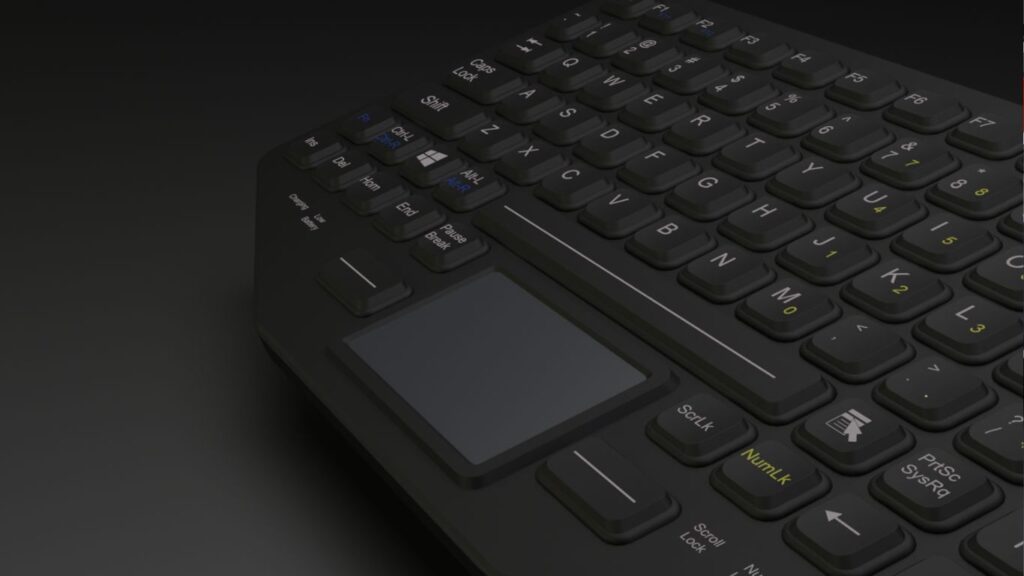
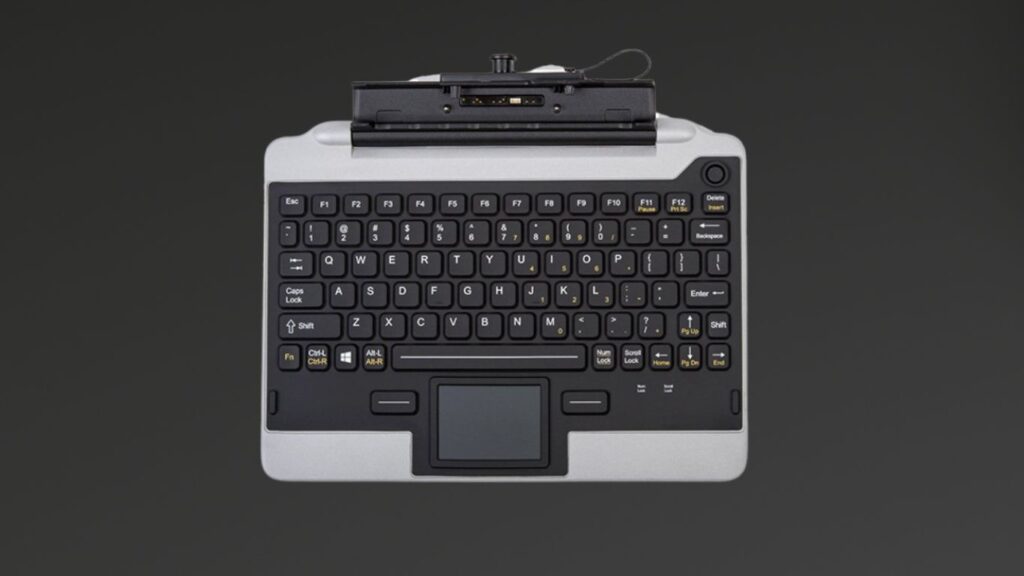
A rugged keyboard is defined by sealed construction and tested durability, not by a tougher shell alone. Sealed silicone, stainless steel or polycarbonate achieves an IP or NEMA ingress rating, keys are rated for millions of actuations, and manufacturers often state testing to standards such as MIL-STD-810 for shock and vibration. The result is a keyboard that keeps working through the dust, water, temperature extremes and vibration that would disable a standard one.

Choose at least IP66 for washdown. Under IEC 60529, IP65, IP66 and IP68 are all dust-tight (first digit 6) and differ in liquid protection: IP65 resists low-pressure water jets, IP66 powerful water jets, and IP68 continuous immersion under conditions the manufacturer defines. The rating applies once the keyboard is installed correctly, and neither IP65 nor IP66 covers immersion or high-pressure, high-temperature washdown. Tell us how your site is cleaned and we will check the rating against it.

Yes, if you choose one rated for it. Operating ranges vary: some rugged keyboards are rated from -40°C to +70°C, while others cover narrower bands such as -20°C to +60°C. For freezer stores, cold-chain logistics or unheated vehicle cabs, check the coldest temperature the keyboard will see against the manufacturer's stated range, and ask us if you are unsure.

Only where the specific keyboard carries the relevant ATEX or IECEx certification for the hazardous zone in question, since a high IP rating alone does not make a device intrinsically safe. Sealed industrial keyboards without that certification suit non-hazardous control rooms and field terminals. Check the required Ex marking against your area classification before specifying, and tell us the zone so we can look at certified options.

MIL-STD-810 is a US military test standard covering environmental stresses including shock, vibration, temperature and humidity. When a manufacturer states that a keyboard was tested to it, that is a manufacturer statement against defined test methods, and the revision matters. Tell us the revision your specification needs and we will confirm it before you order.

Yes. Wipe a sealed keyboard with a damp cloth and a mild detergent or an approved disinfectant, then dry it. Sealed silicone and stainless steel surfaces generally tolerate repeated chemical disinfection, but check the manufacturer's guidance for your cleaning agents. A full washdown needs a suitably high IP rating. Avoid abrasive pads and undiluted solvents unless the material is confirmed chemical resistant, as these can dull or craze some housings.

Key life is usually quoted in millions of actuations, and sealed silicone keys are commonly rated at 10 million or more. That supports continuous, high-volume data entry over many years of service. Compare the figure with how often the keyboard is used, and ask us for the manufacturer's rating for the keyboard you want.

Yes. Desktop, panel mount and OEM formats are available with USB, PS/2 and Bluetooth interfaces, and mounting options such as VESA can suit wireless or mobile use. Layouts, languages and coatings can often be specified for the application, so the same input technology can be built into consoles, vehicles and custom enclosures. Tell us the interface, mounting and enclosure and we will advise.

Choose a backlit keyboard. LED backlighting keeps legends readable in low light and 24/7 control rooms, with colour options such as red or green, and NVIS-compatible versions for night-vision work. Tell us the lighting and any night-vision requirement and we will check what is available.

Many do. Options include a force sensing resistor (FSR) pointer, a touchpad or a trackball built into the keyboard. An integrated pointer keeps cursor control in the same sealed, wipe-clean surface instead of adding a separate mouse, which removes a second point of contamination and failure. Choose by how the operator works and whether gloves are worn.

For a dusty workshop, choose a fully sealed keyboard rated at least IP65, which keeps fine particles out of the switches. A membrane or silicone surface with no gaps around the keys is far easier to keep clean than a standard mechanical layout, and a knock-resistant housing shrugs off dropped tools. Match the sealing rating to how much dust and occasional moisture the bench actually sees.

Both handle wet areas well, so the choice comes down to how harsh the environment is. Sealed silicone units are lighter, quieter and cost less, which suits benches and vehicles with the occasional splash. Stainless steel resists corrosion, aggressive chemicals and constant washdown far better, making it the safer pick for food, marine or chemical settings. Check the IP rating on either before deciding.

Rugged Keyboard Range at a Glance

A rugged keyboard is a sealed, hard-wearing input device built to keep working where office keyboards fail, in dust, water, extreme heat and cold, vibration and chemical exposure. Options include stainless steel, sealed silicone and polycarbonate designs in desktop, panel mount, OEM and wireless forms, with IP and NEMA sealing, manufacturer-stated testing to military standards, backlit and night-vision layouts, and integrated pointing devices. They suit defence, marine, healthcare, energy, manufacturing, transport and field service.

  • Ingress protectionIP65 and IP66 are common, with NEMA 4X often specified alongside; applies once installed correctly
  • Operating temperatureRanges vary: some rated to -40°C, others from -20°C; check the coldest and hottest your site sees
  • Key lifeTypically quoted in millions of actuations
  • StandardsMIL-STD-810 and MIL-STD-461 where the manufacturer states it; CE and RoHS; ATEX or IECEx only where certified for your zone
  • MaterialsStainless steel, silicone, polycarbonate
  • Mounting optionsDesktop, panel-mount, OEM

Make A Positive Move

Tell Us the Job. We'll Match the Kit.

Every deployment is different, and the wrong keyboard costs you time and money. Tell us where your keyboard has to work, and the sealing, pointing device, interface and mounting you need, and we will recommend the right one the first time. The keyboards featured here are a selection; we supply many more formats, layouts and options.
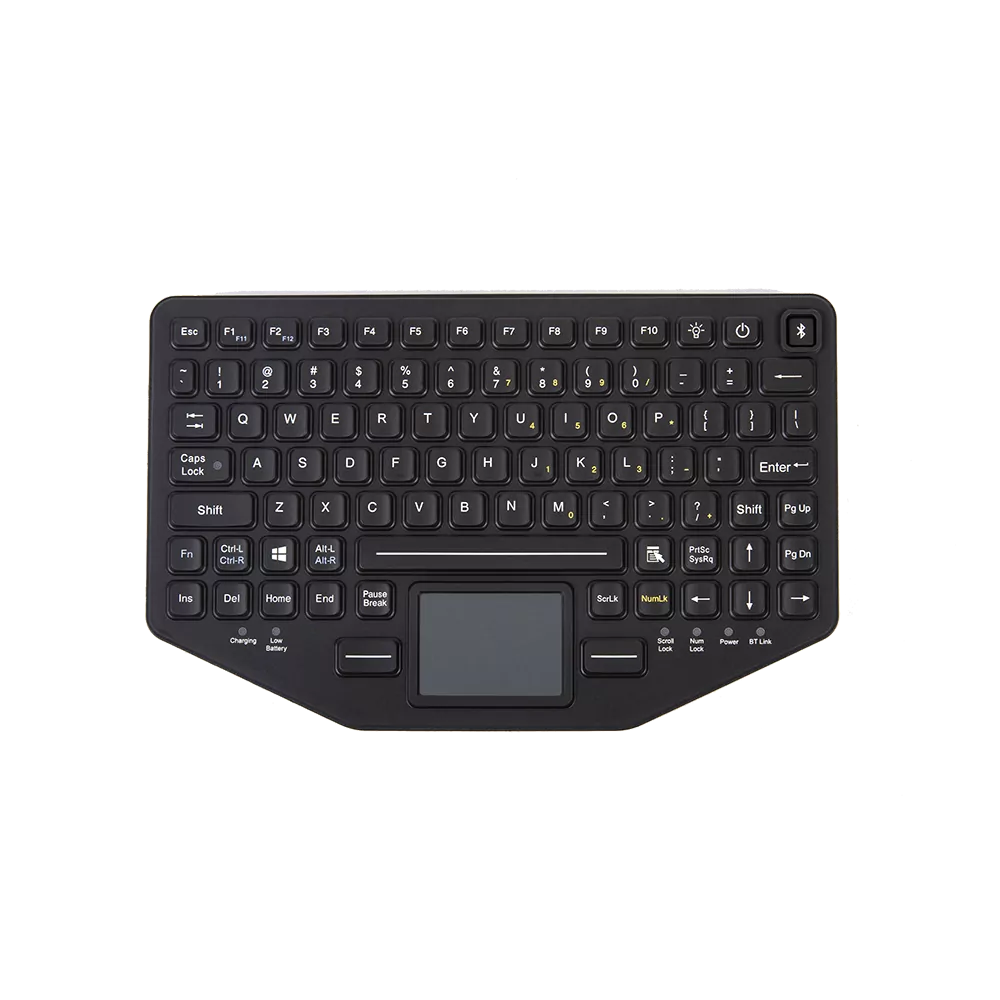
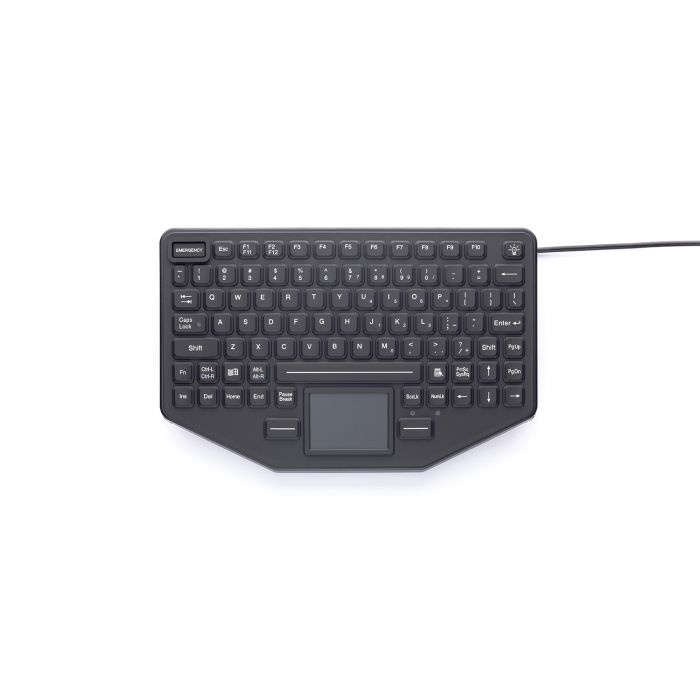
  • Close-up of a rugged industrial keyboard
  • Rugged industrial keyboard
  • Rugged industrial keyboard